
Art and the Value of What Is Useless
Los renglones torcidos de DiosAlice’s defense of art as an addition beyond necessity reveals a belief that human dignity depends on more than survival.
increasing Bearing strength in each event
 decreasing
Bearing strength in each eventdecreasingAn Unusual Definition
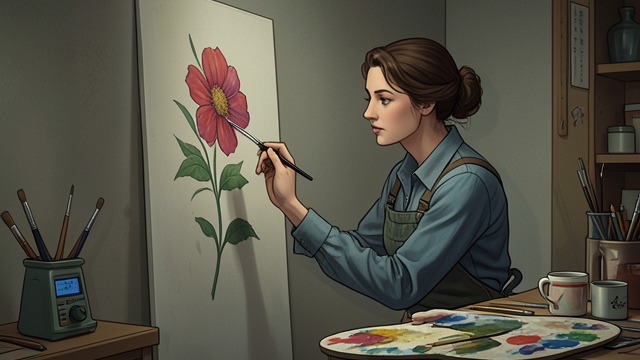
The Art of Excess
Beyond survival
Alice calls art the science of what is useless, then explains that humans add flavor, color, and form to basic needs. These additions are not wasteful; they express a capacity to create beyond necessity.
A human distinction
Her argument places aesthetic creation among the things that make life more than biological maintenance. It also reveals her tendency to elaborate an answer into a personal philosophy.
Beauty Within Distress
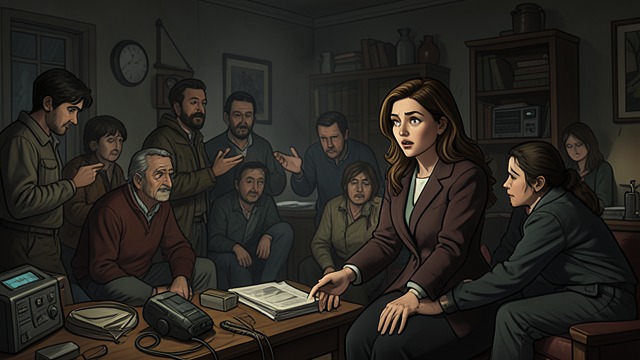
Attention to Form and Feeling
Aesthetic perception
Alice notices faces, gestures, landscapes, and patterns even in distressing settings. Her artistic sensibility does not remove suffering but affects how she responds to it.
From observation to compassion
She begins by cataloguing strange behavior, then recognizes the people behind the apparent spectacles. Aesthetic attention becomes ethically significant when it leads her to see vulnerability rather than merely difference.
A Future Made by Care
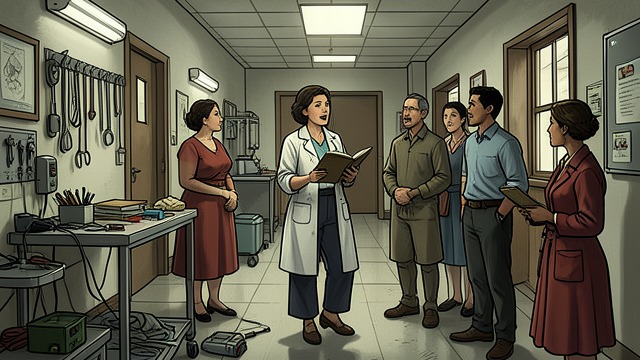
Creating a Livable World
Beyond diagnosis
Alice imagines teaching, improving the workshops, and helping residents communicate. These projects are not necessary for bare survival, yet she considers them essential to a humane life.
Art and service joined
Her aesthetic and moral concerns converge in the imagined task of making the hospital more welcoming. The conclusion extends her earlier idea: human value includes what people choose to create for others.
During the early tests with Montserrat
During Alice’s encounters with residents
During Alice’s journey back toward the hospital
